02/02/2026 Latest News
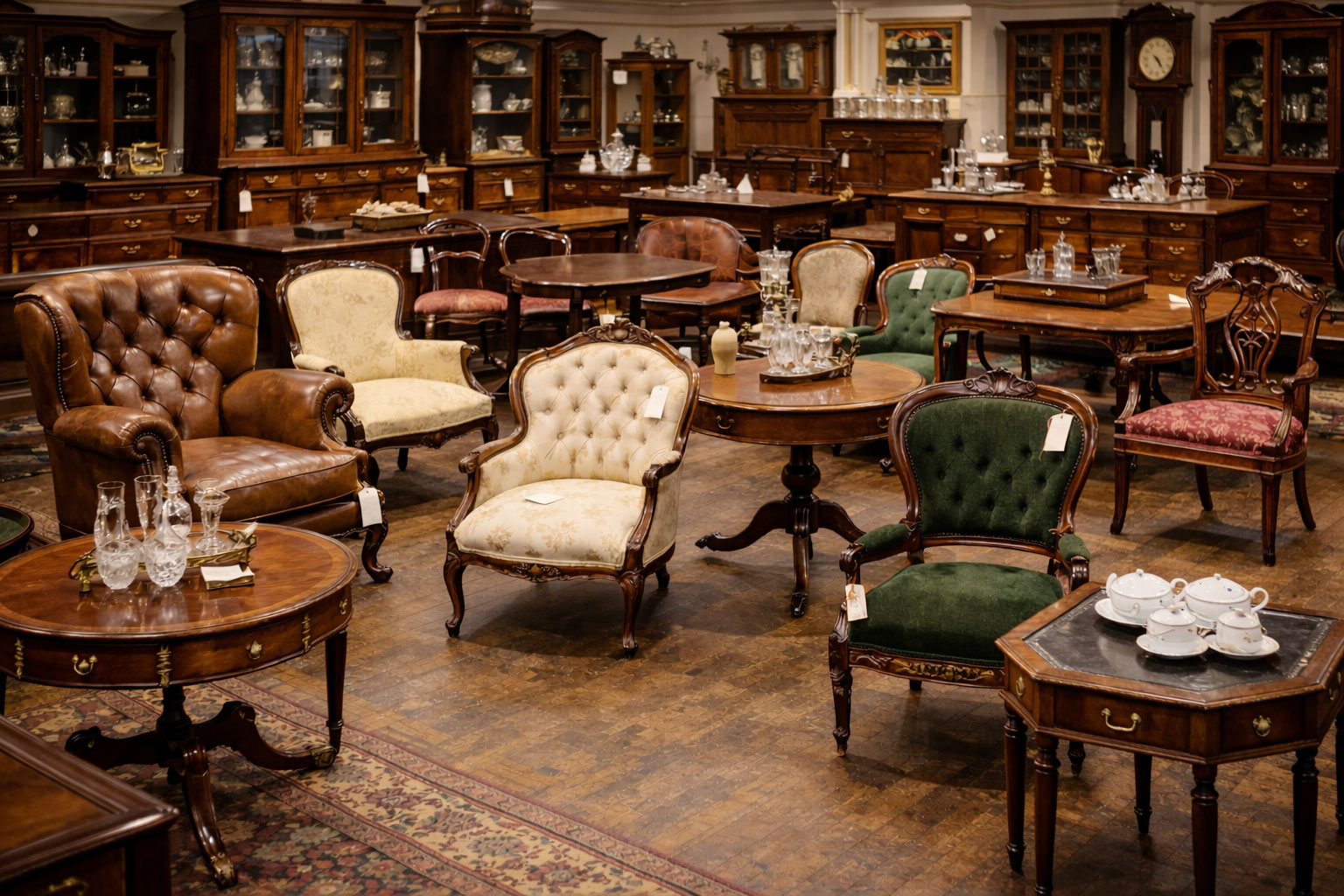
Antique furniture has a presence that just can't be compared to modern pieces. Whether it is a Georgian chest of drawers that has stood for two centuries, or a Victorian dining table that has seen generations of family life, these pieces carry history, craftsmanship and character. Buying and selling antique furniture at auction is one of the most transparent, efficient and rewarding ways to move such items on or add to a collection.
At Auctioneum, we regularly handle everything from fine period pieces to country house furniture and decorative antiques. This guide explains how the process works, what to look out for, and how to achieve the best possible result whether you are buying or selling.
In general terms, furniture is considered antique when it is over 100 years old. Many buyers are drawn to key periods such as Georgian, Regency, Victorian and Edwardian, although later 20th century design is increasingly popular.
Georgian furniture, spanning much of the 18th and early 19th centuries, is often associated with rich mahogany, elegant proportions and fine craftsmanship. Look for quality timbers, hand cut dovetail joints and original brass handles.
Regency pieces, slightly later in date, can feature more dramatic lines, contrasting veneers and classical detailing inspired by ancient Greece and Rome.
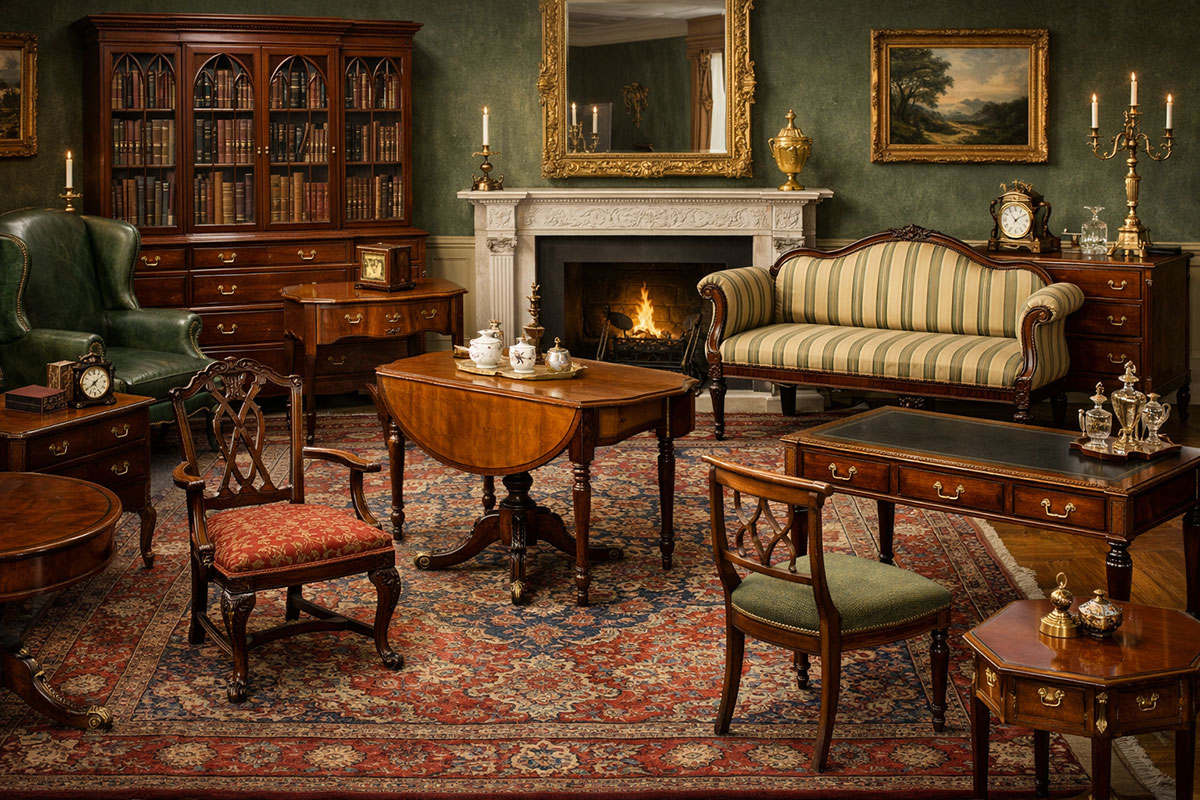
Victorian furniture often reflects the confidence of the industrial age, with bold carving, dark woods and substantial forms. By contrast, Edwardian pieces can appear lighter, with inlay work and more delicate proportions.
Understanding the period, style and materials of a piece is the first step in assessing its value and appeal at auction.
1. Do Your Research
Before bidding, read the catalogue description carefully. Auction houses will typically include details of age, materials, condition and any known restorations. Condition reports are available on request and can highlight repairs, replacements or structural issues.
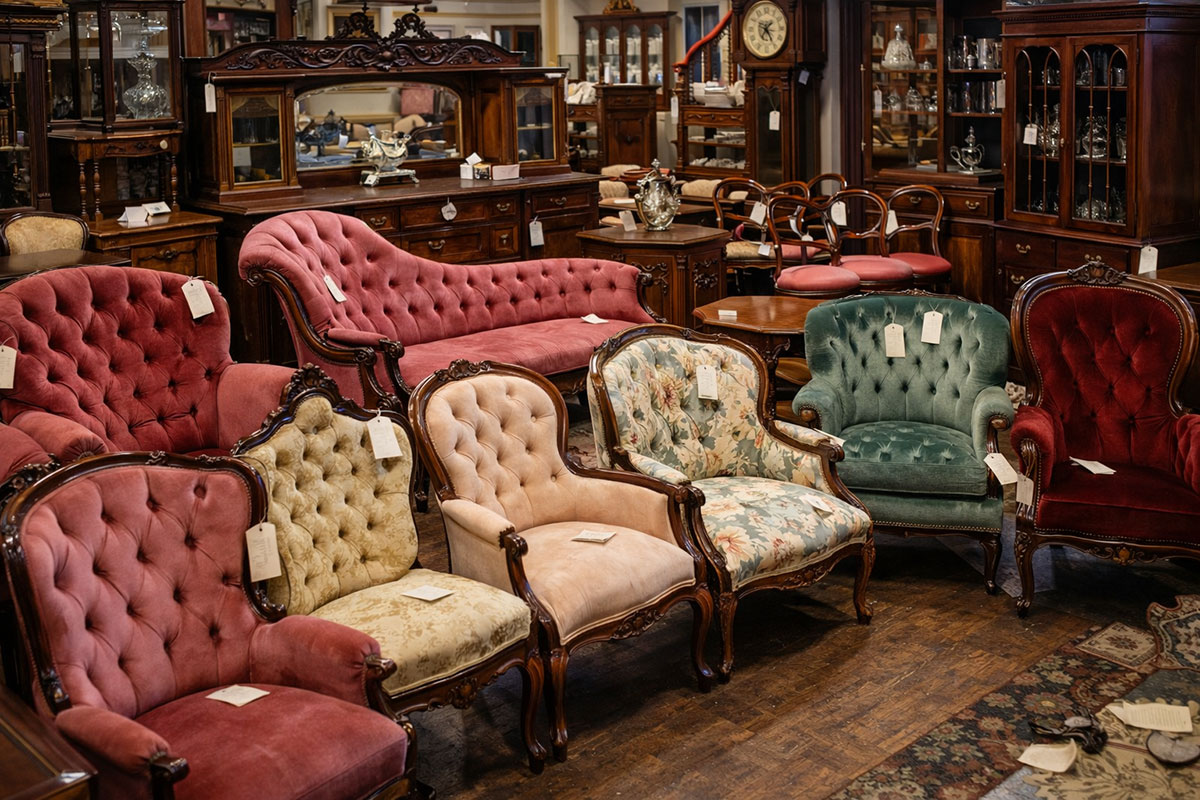
If possible, attend a viewing. Seeing a piece in person allows you to assess colour, surface wear and overall quality. Photographs are helpful, but nothing replaces inspecting the furniture yourself.
2. Check Condition And Authenticity
With antique furniture, some wear is expected and often desirable. However, extensive restoration, replaced components or structural weakness can affect value.
Look for:
A reputable auctioneer will be clear and transparent about condition. If in doubt, ask.
3. Set A Sensible Budget
Remember that the hammer price is not the final price. Buyers’ premium and VAT may apply. Factor these into your maximum bid before the sale begins.
It is easy to get carried away in the room. Decide your limit in advance and stick to it. There will always be another sale and another opportunity.
4. Consider Practicalities
Antique furniture can be large and heavy. Check dimensions carefully and plan transport. Many auction houses can recommend trusted local carriers.
If you are considering selling, auction can offer a competitive and open marketplace, often achieving strong results when multiple bidders are interested in the same piece.
1. Obtain A Valuation
The first step is a professional valuation. At Auctioneum, we provide free, no obligation valuations either in person or via photographs. Accurate descriptions and realistic estimates are essential to attracting the right buyers.
We assess:
Auction values can vary depending on fashion and trends. Some traditional pieces may be softer in the current market, while mid century design or unusual country furniture can exceed expectations.
2. Presentation Matters
While we do not recommend over restoring furniture before sale, a gentle clean can make a difference. Remove surface dust and ensure drawers and doors open smoothly. Avoid harsh polishes or amateur repairs, as these can reduce value.
If the piece has provenance, such as a known maker, documented history or a connection to a notable property, provide as much supporting information as possible.
3. Choosing The Right Sale
Furniture may be entered into a general antiques auction or a specialist sale, depending on its quality and appeal. Placement can influence both audience and result.
A well marketed sale, supported by online catalogues and bidding platforms, ensures your furniture is seen not just locally but nationally and internationally.
4. Understanding Reserves And Fees
A reserve price can be agreed to protect you from selling below a certain level. This should be realistic and based on professional advice.
Seller’s commission and any agreed charges will be clearly outlined in advance. Transparency is key to a smooth process.
Several factors influence value at auction:
For example, a standard Victorian sideboard may achieve a modest price, whereas a documented piece by a recognised cabinet maker can command far more.
Market trends also play a role. Demand for certain styles can rise and fall. An experienced auctioneer monitors these shifts and advises accordingly.
Auction offers a clear, time defined route to sale. Unlike private treaty transactions, where negotiations can drag on, an auction provides a set date and a competitive bidding environment.
For buyers, it offers transparency and the excitement of securing a piece at fair market value. For sellers, it creates the opportunity for prices to exceed expectations when two or more determined bidders compete.
Antique furniture is more than functional. It reflects social history, craftsmanship and changing tastes across generations. Whether you are downsizing, handling a probate estate, or simply refining your interiors, auction provides a professional and efficient route to buy or sell.
If you are considering consigning antique furniture, or you have seen a piece in one of our catalogues that has caught your eye, our team at Auctioneum would be pleased to advise. With careful guidance, transparent valuations and a wide reaching audience, we aim to achieve the best possible outcome for every client and every lot. Contact us today to find out more.