01/06/2026 Latest News
Antique clocks are much more than simply timekeeping pieces. Clocks reflect craftsmanship, history and changing styles across centuries, which is why they continue to perform well at auction. If you have inherited a longcase clock, discovered a carriage clock during a house clearance, or are simply looking to part with a collectable piece, selling through auction can be an effective way to achieve the best price.
At Auctioneum, we regularly see a wide variety of clocks at auction, and timepieces, from decorative mantel clocks through to statement longcase pieces and specialist collectables . Understanding how the antique auction process works, and what buyers are looking for, can make a significant difference to your result.
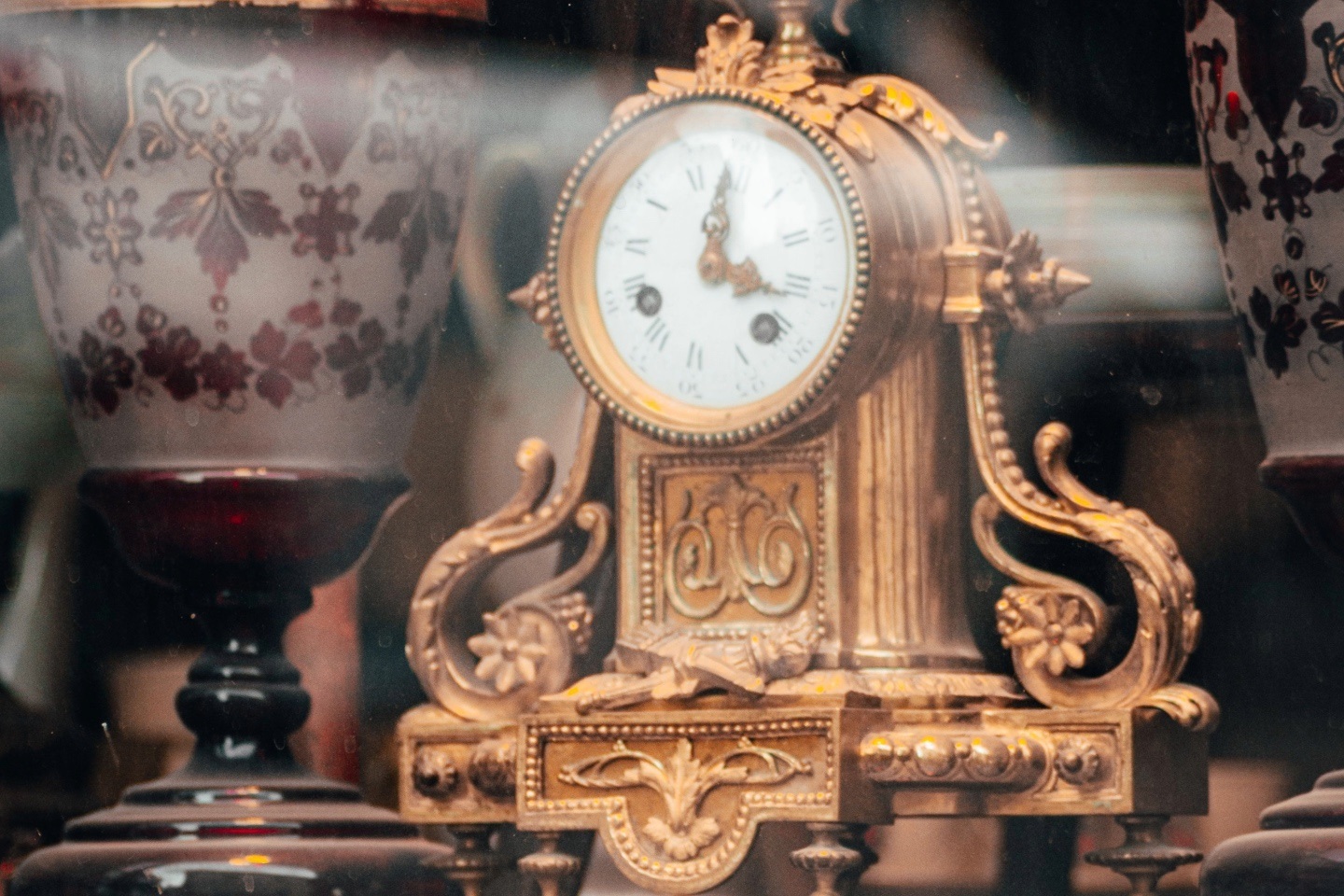
Before selling any antique clock, the first step is identifying what type of piece you own. This helps determine both its potential value and the most suitable auction setting.
Common examples seen at auction include:
Auctioneum frequently handles all of these examples, alongside some more unusual items such as porcelain clock garnitures and decorative French timepieces.
Even if your clock appears modest or shows signs of wear, it may still attract interest. Buyers often look beyond condition alone, focusing on originality, design and period.
Several factors influence how well a clock performs at auction:
It is worth noting that value can vary widely. For example, a simple early 20th century mantel clock may achieve a modest result, while a well preserved longcase clock or decorative French carriage clock could sell for higher prices at auction.
You do not need to restore or repair a clock before selling. In fact, unnecessary restoration can sometimes reduce value. However, a few simple steps can help present your item in the best possible light:
Auctioneum’s specialists will assess your clock and advise if any preparation is beneficial before the sale.
A professional valuation is an essential part of the sale process. This gives you a realistic expectation of what your clock might achieve and ensures it is entered into the right auction.
At Auctioneum, valuations can be carried out in person at the salesroom or remotely using photographs. Clear images of the dial, case, movement and any markings will help provide a more accurate assessment.
Valuations also allow specialists to group your item appropriately, whether within a dedicated clocks and timepieces sale or a broader antiques auction.
Once you decide to sell, your clock will be consigned to auction. The process typically includes:
Auctioneum attracts a wide audience of collectors, dealers and interior buyers, which helps create competitive bidding across a range of clock styles.
Selling an antique clock privately can be challenging. Pricing is often uncertain, and reaching the right buyers can take time. Auction provides a transparent and efficient alternative.
Key advantages include:
This is particularly relevant for more specialist pieces such as longcase clocks or carriage clocks, where knowledge of the market plays an important role.
It is common for clients to approach Auctioneum with several clocks, often as part of a house clearance or inherited collection. In these cases, items can be assessed individually and entered into auction accordingly.
Some clocks may be sold as single lots, while others may be grouped depending on their value and appeal. For example, multiple mid 20th century mantel clocks or decorative pieces may be offered together to attract buyer interest.
Despite the rise of digital timekeeping, antique clocks continue to perform steadily at auction. Buyers are drawn to their craftsmanship, character and decorative appeal.
Different types appeal to different audiences:
Auction results reflect this variety, with a wide range of estimates and realised prices depending on the piece.
If you are considering selling an antique clock, the best place to start is with a valuation. Auctioneum’s team can guide you through the process, from identifying your item to achieving the best possible result at auction.
Whether you have a single mantel clock, a decorative carriage clock, or a large longcase piece, expert advice ensures your item is handled correctly and presented to the right audience.
To arrange a valuation or discuss selling at auction, get in touch with Auctioneum or visit the Bristol or Bath salesroom.