03/08/2026 Latest News
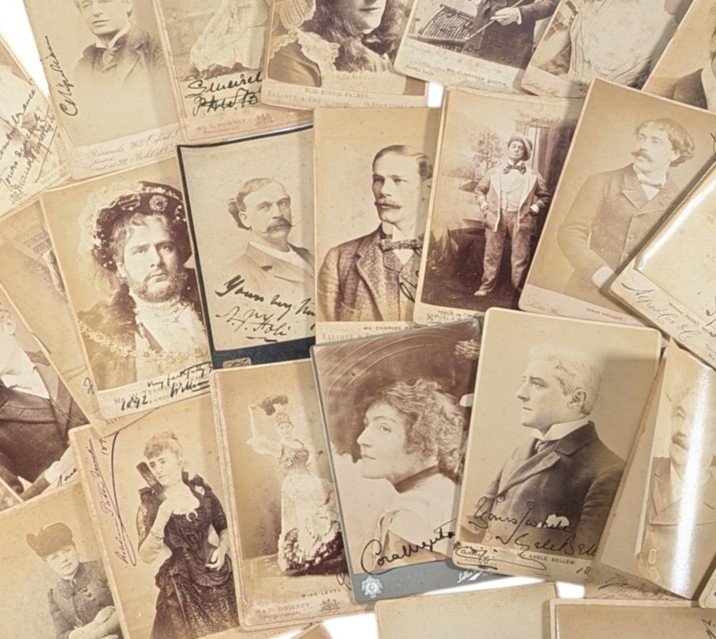
An autograph can turn an ordinary photograph, book, letter or piece of memorabilia into something highly collectable - and valuable! Signatures associated with beloved actors, musicians, sportspeople, writers and historical figures can attract considerable interest at auction.
However, where there is demand, there is also the potential for forgery. Some fake autographs are deliberately created to deceive buyers, while others may have been innocently misidentified or passed through a family for years with an inaccurate story attached to them.
It is not always possible to confirm that an autograph is genuine by looking at it online. Nevertheless, there are several details that can help you decide whether a signature deserves further investigation.
The item carrying the signature can provide important context.
A handwritten letter, signed contract or document connected to a particular event may be more convincing than a signature written on an unrelated piece of paper. A photograph showing the person at the time the autograph was supposedly obtained may also help support its history.
Consider whether the item makes sense for the person and period. Questions to ask include:
A signature cannot be assessed entirely in isolation. The age, origin and history of the object on which it appears are all relevant.
One of the first things to establish is whether the autograph was written by hand at all.
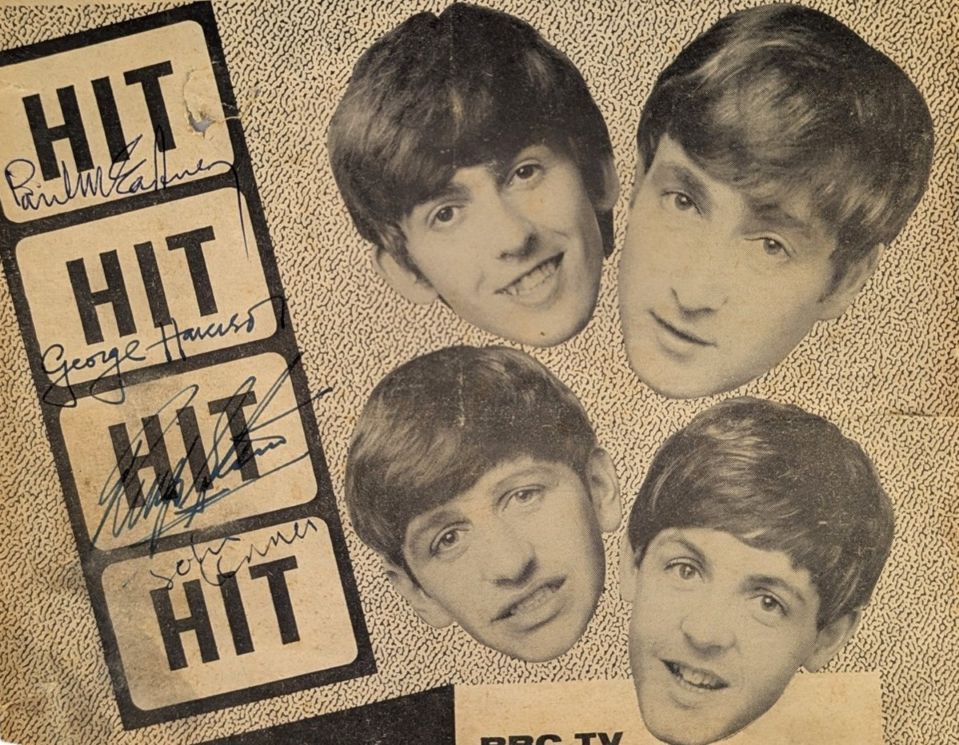
Printed signatures are commonly found on promotional photographs, letters, certificates, books and pieces of mass-produced memorabilia. These are not necessarily intended to deceive. They may simply have been created to reproduce a famous person’s signature on a large number of items.
Under magnification, a printed signature may reveal a pattern of dots, flat and uniform colour, or sharply defined edges. Genuine ink is more likely to show small variations in pressure, density and flow.
Holding the item at an angle beneath a light may also help. Depending on the pen and surface, handwritten ink may sit slightly above the paper or reflect light differently from the surrounding print.
Be cautious about using any single test as proof. Some modern printing methods are extremely convincing, while certain types of genuine ink may leave little visible impression.
Comparing the autograph with known genuine signatures can be useful, but it should be done carefully.
Most people’s signatures change during their lifetime. Age, health, haste and the circumstances in which an autograph was signed can all affect its appearance. A carefully written signature in a formal letter may look very different from one produced quickly for a fan.
When making comparisons, look beyond whether the two signatures appear broadly similar. Examine:
The most helpful comparisons are usually examples from approximately the same period and signed in similar circumstances.
An exact match can actually be a warning sign. Two genuinely handwritten signatures will normally contain small variations. Identical signatures may have been copied, stamped or mechanically reproduced.
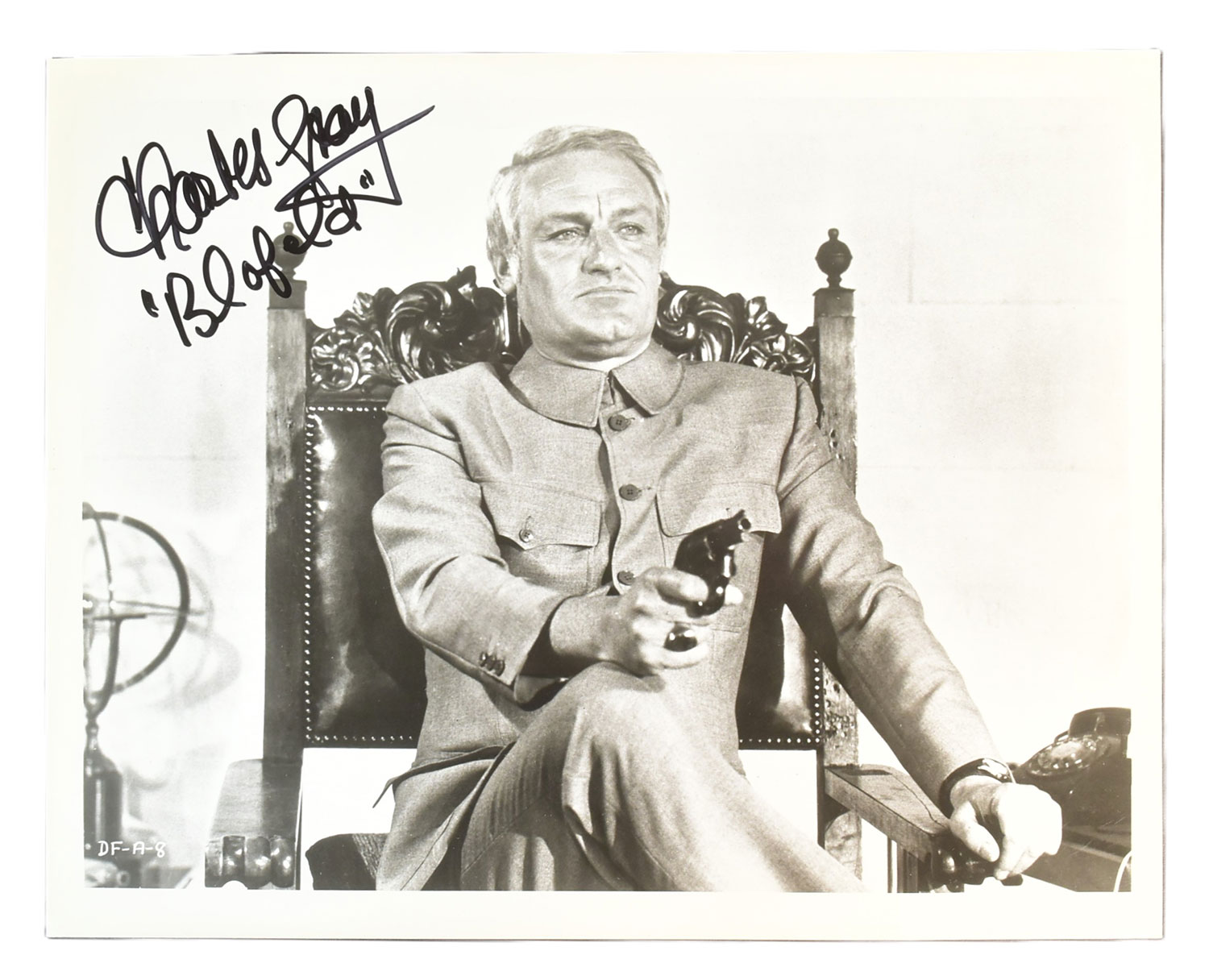
A genuine autograph is generally written as a familiar movement. Even when untidy, it is likely to have a degree of speed and confidence.
A person attempting to copy someone else’s signature may write more slowly. This can result in:
These features do not automatically prove that an autograph is false. Illness, age, an uneven surface or a poor pen can produce similar effects. They are simply factors that may warrant closer examination.
The pen used should be appropriate for the date attributed to the autograph.
A signature supposedly obtained decades before a particular type of marker or pen became widely available would clearly raise questions. Equally, an older-looking item does not necessarily contain an old signature. A modern autograph or forgery can be added to an antique book, letter or photograph.
Ink can also fade, change colour or react differently depending on how an item has been stored. It is therefore risky to judge age based solely on whether the ink looks brown, faded or uneven.
Specialist examination may be needed where the date of the writing is particularly important.
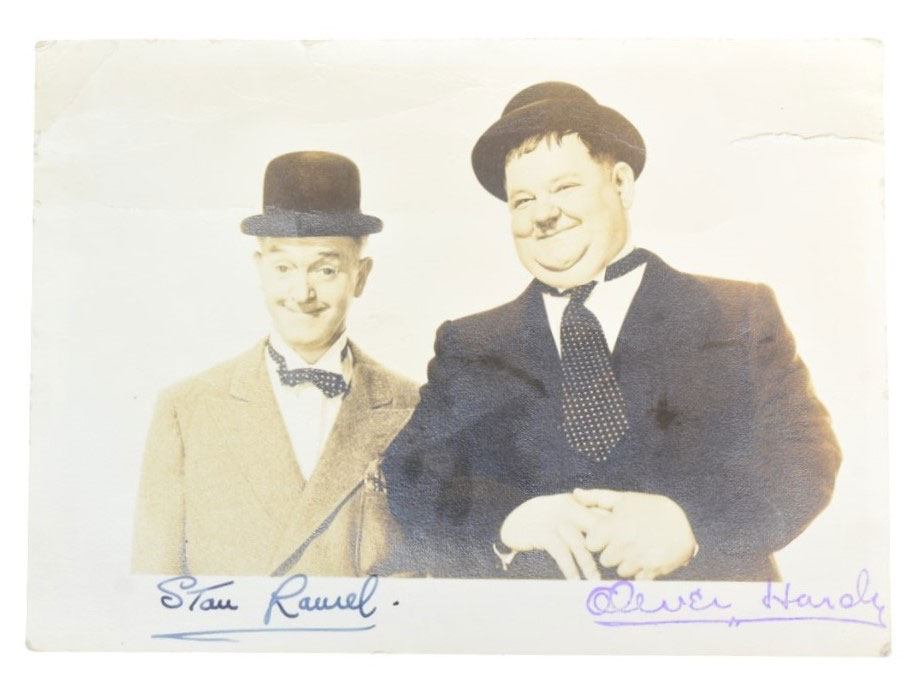
Provenance is the documented history of an object: where it came from, who owned it and how it changed hands.
A convincing history might include:
The strongest provenance is specific and verifiable. A vague statement such as “my grandfather met him once” may be perfectly true, but it is difficult to confirm without supporting information.
Conversely, a certificate of authenticity should not automatically be treated as proof. Its value depends on who issued it, what research was undertaken and whether the issuer is a recognised specialist.
Not every non-personal signature is a conventional forgery.
Prominent people have often received more requests for autographs than they could answer personally. In some cases, assistants or secretaries signed correspondence on their behalf. Mechanical devices known as autopens have also been used to reproduce signatures.
An autopen creates a pen-written signature from a predetermined pattern. It can look more convincing than a printed reproduction because real ink is applied to the surface.
Signs of an autopen signature may include:
Secretarial signatures may be harder to identify because they are genuinely handwritten, but not by the named person. Comparison with verified examples and knowledge of the person’s signing habits may be necessary.
No. Many authentic autographs are rushed, abbreviated or difficult to read.
Famous people may sign hundreds of items at an event, producing a shortened version of their usual signature. Signatures can also become less detailed as a person grows older or receives more requests from collectors.
A messy signature should not automatically be dismissed. What matters is whether its underlying movements and characteristics are consistent with genuine examples from the relevant period.
Authenticity is only one part of an autograph’s value.
Other important considerations include:
A common signature from someone who regularly signed photographs may be worth considerably less than a rare handwritten letter with important historical content.
Association can make a major difference. A signed item directly connected to a notable event, production, performance or relationship may be more desirable than a signature without context.
Do not clean, trace over or attempt to restore a faded autograph yourself.
Adding ink to a signature can make authentication more difficult and may substantially reduce the item’s appeal. Adhesive tape, unsuitable frames and direct sunlight can also cause permanent damage.
Store paper items away from moisture, heat and bright light. Where possible, use acid-free materials and avoid allowing the autograph to touch ordinary cardboard or adhesive backing.
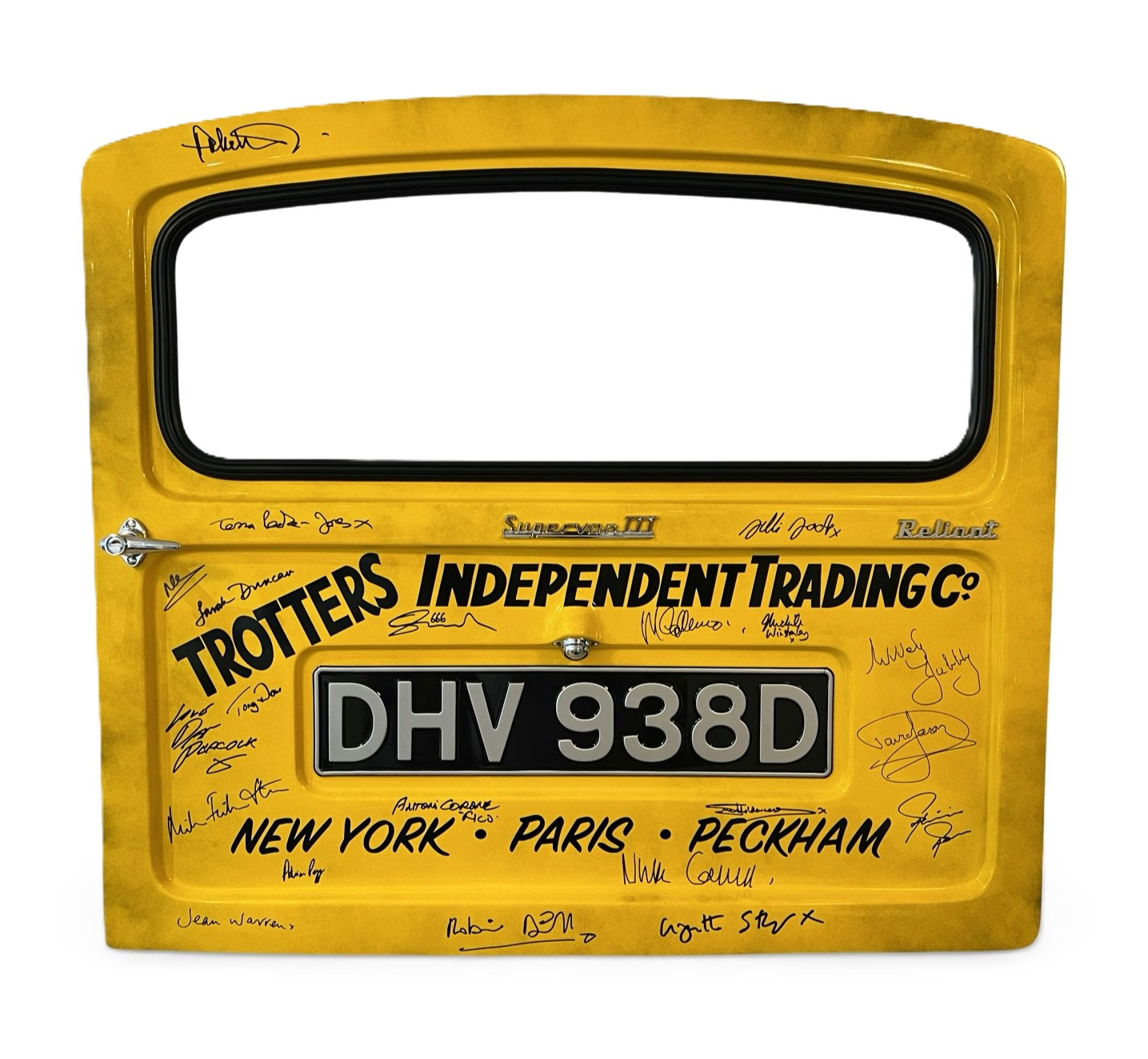
If you believe you have an interesting autograph, collect together as much supporting information as possible.
Useful photographs should show:
An auction house can consider the identity of the signatory, the type of object, its provenance, condition and likely level of demand. In some cases, further specialist authentication may be recommended before the item is offered for sale.
Avoid making permanent changes or paying for restoration before receiving advice. The details that appear insignificant may provide useful evidence about where and when an autograph was obtained.
Auctioneum regularly handles autographs, signed photographs, letters, books, entertainment memorabilia and historically interesting documents.
If you have discovered a signature in a family collection, house clearance or inherited group of items, our specialists can help assess whether it may be suitable for auction. Providing clear photographs and any information about its history is the best place to start. You can arrange a valuation here, or get in touch for more info.